Cold weather hits outdoor kitchens harder than most people expect. Metal contracts, water freezes, seals dry out, and anything you forget to clean becomes twice as annoying by spring. I’ve been cooking outside for years and winter always tests the little details. The good news is you don’t need a full winter shutdown to keep an outdoor kitchen in good shape. Most cold-weather problems come down to how the space was built and laid out in the first place, which I cover in more detail in my guide to outdoor kitchen setup and layout.
With a few simple habits, your setup stays ready to cook all season long.
These are the steps I follow every winter to keep my grill, counter space, sink, and storage working the way they should.
Start With a Deep Clean
I like to enter winter with everything as clean as possible. Cold air locks in grease and grime, making it harder to remove later. A clean surface also holds up better against moisture.
I scrub down everything that collects grease or moisture, especially surfaces like griddle tops that take a beating year-round:
- grates
- burners or firebox
- griddle tops
- drawers and handles
- prep areas
- countertops
If something feels sticky or dull, clean it now. Winter doesn’t fix anything. It freezes problems in place.
Shut Off or Protect Any Water Lines
If your outdoor kitchen has a sink, fridge with an ice maker, or water line, winter can be dangerous. Frozen water expands and cracks pipes fast.
I do one of these depending on the setup:
- shut off the water supply from inside the house
- drain the water line fully
- wrap exposed lines with insulation
For sinks, I open the faucet after shutting off the supply so any leftover water drains out. You don’t want water sitting in the line all winter.
Keep Your Grill Covered and Dry
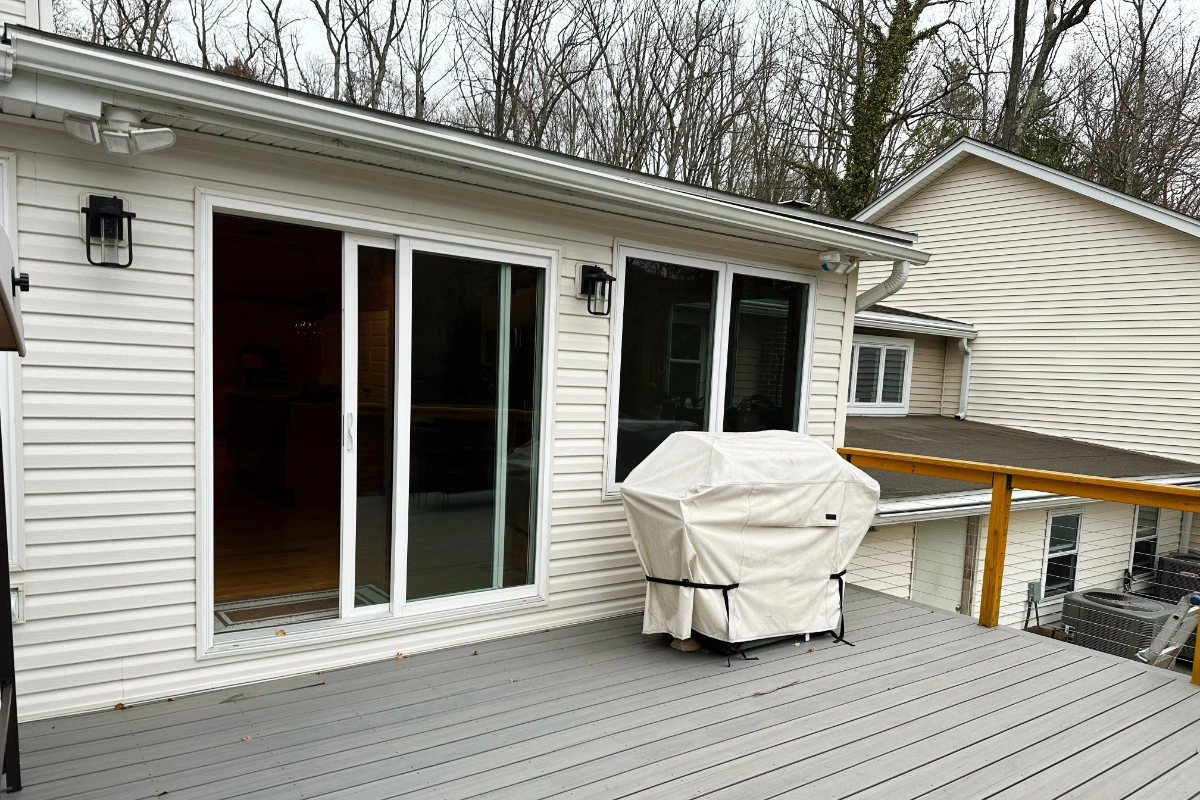
Even if you grill all winter, use a cover when it’s not running. A cover protects against frost, snow, dust, and wind. It also helps stop rust before it starts.
Before covering the grill, I:
- scrape the grates
- clean the drip tray
- wipe everything with a dry cloth
- add a thin layer of oil on cast iron parts
This keeps moisture from settling on metal. A warm grill attracts condensation when it cools in cold air, so make sure everything is dry before covering it.
Protect Stainless Steel From Winter Staining
Stainless steel still stains in winter. Cold moisture creates foggy or brown spots if the metal isn’t protected.
I wipe stainless areas with:
- a stainless cleaner
- or a little oil on a microfiber cloth
Either one adds a thin layer that keeps the steel cleaner through the cold months.
The trick is thin coats. Thick oil just gums up. Thin oil protects.
Check All Seals and Gaskets
Outdoor kitchens have more rubber and silicone than you think. Drawer seals, fridge gaskets, and grill lid seals all dry out or shrink in cold air.
I check everything by pressing the seals with my thumb. If they feel stiff, I rub a little food safe silicone on them. This keeps them flexible and stops cold air leaks.
Cold air sneaking into a grill cabinet or fridge makes everything harder to light or maintain.
Protect Your Countertops
Different countertop materials react to winter differently. Granite, concrete, stone, tile, and composite all handle freezing temps, but they still need a little help.
I do this before temperatures drop:
- clean the surface
- dry it completely
- apply a sealer if the material needs one
- keep snow from piling up
If you leave moisture sitting on a countertop all winter, it seeps into cracks and freezes. Frozen moisture expands and opens the cracks even wider.
A simple wipe down in December prevents a lot of spring repair work.
Bring Certain Items Inside
Some outdoor kitchen items shouldn’t stay outside during winter. I bring in:
- wooden cutting boards
- cast iron that isn’t seasoned well
- cloth towels or covers
- spices or food items
- propane tanks if I’m done grilling for the season
Propane tanks can stay outside, but I move them away from areas where snow piles up. Cold metal sitting in heavy moisture starts to rust faster.
Take Care of Your Outdoor Fridge
Outdoor fridges don’t love freezing temps. If your fridge isn’t winter rated, plug it out once temperatures dip below its operating range.
Before powering it down, I:
- empty everything
- wipe it dry
- prop the door slightly open
This keeps mold from building up through winter. If your fridge is winter rated, check the manual anyway. Some still need winter settings or frost protection.
Plan Your Winter Cooking Layout
Winter changes how heat moves around the grilling area, so I shift my layout a little. When you’re cooking near open flame areas, spacing and airflow matter even more in cold weather.
I pull the grill forward a few inches to give the back more breathing room. I keep my prep zone closer to the house or a shelter so my hands stay warmer. I also move tools inside between uses so they don’t freeze up.
The goal is simple. Make the space comfortable enough that you want to cook outside, not fight the cold.
Use Better Lighting
Winter evenings get dark fast. Good lighting makes everything safer. I add temporary LED strips or a simple magnetic grill light on the lid. You don’t need a big install. You just need enough light to tell when food is actually done.
Winter Grilling Still Works
A lot of people think winter kills outdoor kitchens. It really doesn’t. With the right steps, everything stays in good shape and you can grill all season. The cold air gives cleaner smoke. The food tastes richer. The whole backyard feels quiet and calm.
You just need to protect the parts that cold weather stresses the most.
Final Thoughts
Cold weather shouldn’t stop you from enjoying your outdoor kitchen. A few small habits keep your setup running all winter and make spring cleanup a breeze. Most of this comes down to staying ahead of moisture and giving the equipment a little extra care.
If you want help winter proofing your grill, fridge, or countertops, I’m happy to break down each part in more detail. The easier your setup is to maintain, the more fun winter cooking becomes.